
WHO WE ARE
Meet the Steering Committee
Get to know the adaptation experts who guide ORCCA’s work and impact.

Jennifer Babin-Fenske
City of Greater Sudbury
Jennifer Babin-Fenske, with a background in Applied Zoology from McGill and a Ph.D. in Boreal Ecology from Laurentian University, specializes in insects of stressed forests. As the Climate Change Coordinator for the City of Greater Sudbury, she is integral to the city's regreening efforts and environmental initiatives. A recipient of the Canada Clean50 award, Jennifer is dedicated to promoting sustainable practices and focuses on the impact of climate change on community natural assets

Angela Coleman
Conservation Ontario
Angela graduated from the Faculty of Law at the University of Ottawa in 2009 and was admitted to the Bar of the Province of Ontario in 2010. Angela summered, articled, and practiced with a large Ottawa firm, in real property and municipal law and now works with Conservation Ontario as General Manager.
Angela has worked with Federal, Provincial, and Municipal governments on a wide range of environmental, development, and water policy issues including: source water protection, flooding, and planning and development approvals.

Tammy Cook
Lakehead Region Conservation Authority
Tammy Cook has worked in the environmental field for over 20 years, including at the Lakehead Region Conservation Authority, consulting firms, and on a remediation project in the Thunder Bay Harbour. She is passionate about understanding current and future climate impacts related to natural hazards, and the importance of proactively directing development outside of natural hazards, from both a safety and financial perspective. She works and lives in Northwestern Ontario on the shores of Lake Superior.

Frances Delaney
Environment and Climate Change Canada
Frances Delaney has nine years of experience working in climate change adaptation. She currently works at the Canadian Centre for Climate Services, where she focuses on outreach and engagement and climate change. She works to tell compelling stories about climate projections, connecting the human side of climate change to the science. Frances also contributed to the National Adaptation Strategy and has specialized knowledge of the Great Lakes Basin, including leading Annex 9 of the Great Lakes Water Quality Agreement.

Sharon Lam
Toronto and Region Conservation Authority
Sharon Lam is a Research Scientist with the Ecosystem and Climate Science team at Toronto and Region Conservation Authority (TRCA). Sharon works to advance climate science and adaptation through a range of collaborative, multi-stakeholder projects in the Toronto region and beyond. She supports the delivery of risk-based adaptation services through applied research project implementation, technical advisory, partnership development, and knowledge mobilization.

Hana Lapp
WSP Canada
Hana is a sustainability professional with over ten years of experience supporting Canadian public sector organizations in climate change planning, sustainability reporting, and low‑carbon resilience. She has contributed to more than 40 municipal and regional climate action plans and is an expert in community resilience planning. Hana is skilled in community risk assessment methodologies and understands climate impacts on infrastructure, ecosystems, public health, and social well‑being.
David MacLeod
City of Toronto
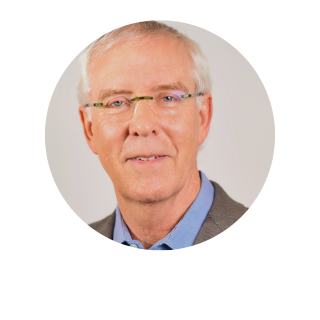
As a pioneer in the field of municipal climate adaptation, in 2007 he initiated climate change risk assessments for City owned infrastructure and other sectors such as food and electrical supply. David catalyzed consideration of climate risk and interdependencies of infrastructure systems and climate related financial disclosures. Prior to joining the City, for 17 years David was an environmental management consultant and Certified Environmental Auditor working in over a dozen industry sectors across Canada and the northeast USA. David was Adjunct Professor at TMU and U of T, teaching courses at the university Masters level on environmental management systems and urban climate adaptation.

Jeremy Schembri
Region of Peel
Jeremy Schembri has been a municipal climate change leader for over 15 years. His foresight and innovation has led to the establishment of governance structures, plans, and actions that enabled multiple municipalities to proceed down the path to achieve a low carbon resilient future. Jeremy has honed and advocates for the use of inclusive best in class change management practices to tackle complex crisis like climate change; regularly looking to other industries and sectors to learn how best to catalyze and optimize action.

Sue Shikaze
Lakelands Public Health
Sue Shikaze is a Health Promoter at Lakelands Public Health in the Emergency Services and Healthy Environments department. She has worked in public health for over 20 years. Sue believes in creating healthy, equitable and sustainable communities for people of all ages, incomes and abilities. Her current work focuses on climate change health adaptation. Sue lives in the Haliburton Highlands and loves to spend time outside on trails and water in all seasons.

Erik Sparling
Climate Risk Institute
Erik Sparling is Vice President at the Climate Risk Institute and has held senior leadership roles across government and the private sector. He has contributed to major national initiatives in climate adaptation, risk assessment, and standards development. With over 20 years of experience, Erik supports governments, infrastructure owners, and other practitioners in integrating climate resilience into planning and decision-making, with a focus on climate risk governance, technical guidance, and cross-sectoral capacity building.

Nicole Yardy
Town of Collingwood
Nicole Yardy is a dedicated environmentalist committed to making a positive impact on communities and preserving biodiversity through community mobilization. She is currently working as the Climate Change Specialist with the Town of Collingwood and continues to advance her education through graduate certificates in strategy and climate policy. With a degree in Environmental Science, Nicole plays a pivotal role in developing and implementing comprehensive strategies to address climate change mitigation and adaptation within the community.
Guiding ORCCA
The Steering Committee are our adaptation experts strategically guiding the work ORCCA undertakes. The Steering Committee is an independent body with the main role of informing ORCCA on the needs, trends, and emerging climate issues facing Ontarians so that ORCCA can tailor their programs and services to best assist users and decision makers.
Getting Involved
We are not currently recruiting Steering Committee members. However, there may be other ways you can get involved! It never hurts to reach out and share your interest and expertise.